The timeless spiritual debate surrounding free will has found a fresh voice in the digital sphere, sparking a fascinating conversation. A video from TikTok creator Jasmine, known as @jasminesgarden23, has captured the collective’s attention with over 108,000 views, exploring the intricate paradox of free will and divine perfection. In their video, Jasmine uses a simple yet profound analogy to question how these two concepts can coexist, inviting us all to look closer at what we believe.
The Analogy of the Perfect Cookie
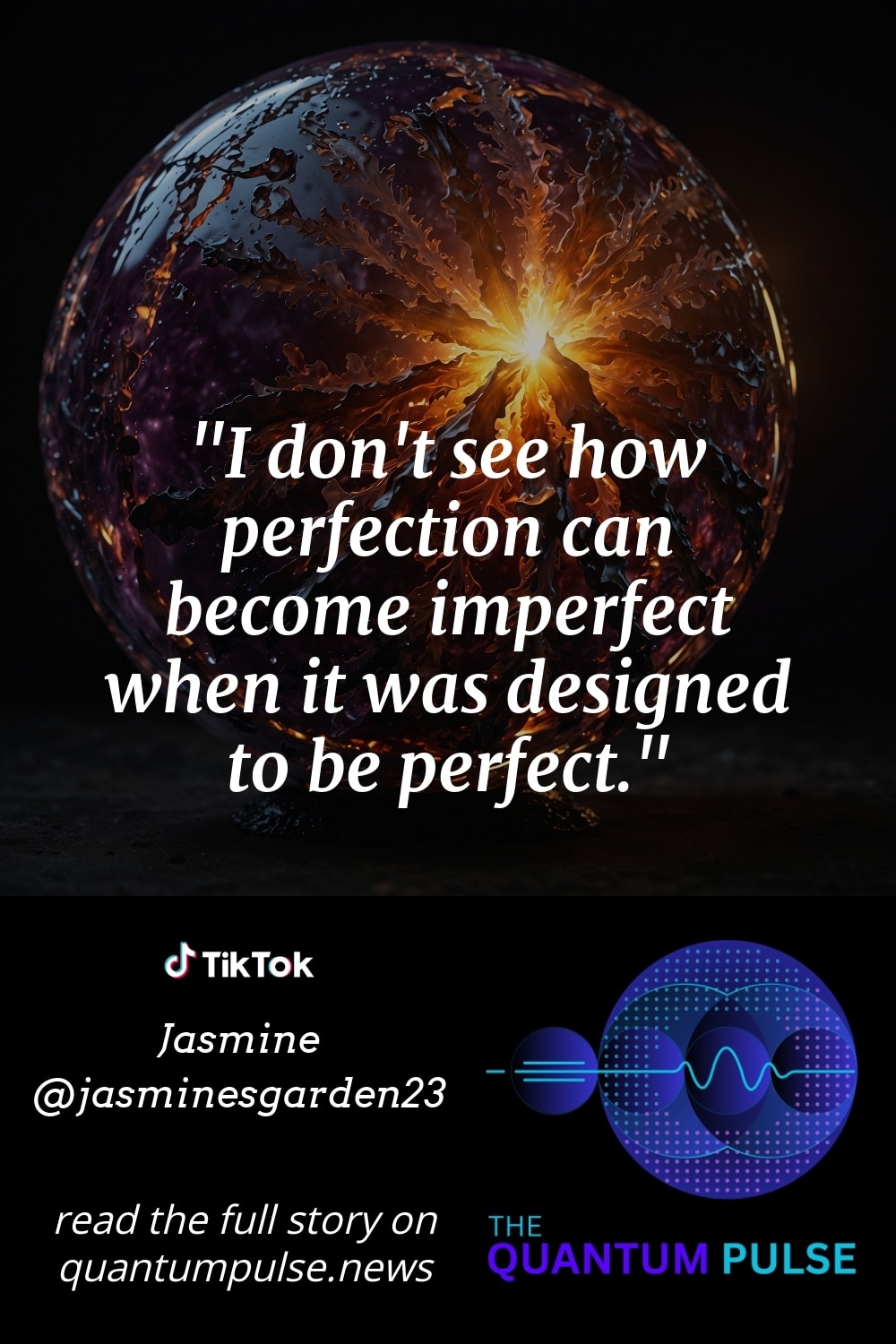
The discussion begins with a thought-provoking scenario. Jasmine asks us to imagine a baker who creates a flawless cookie. Everything about it, from the ingredients to the baking time, is perfect. This cookie is then given the ability to choose its own path. The central question Jasmine poses is, how could something intentionally made perfect ever choose imperfection?
“The thing about that is if this cookie was made to be perfect, how can it choose imperfection? How can it choose to be something that it’s not? I don’t see how perfection can become imperfect when it was designed to be perfect.”
This analogy challenges the idea that a perfectly created being would willingly choose a path of “poison” or self-destruction. From this perspective, the very concept of a perfect creation choosing an imperfect action seems contradictory. It opens up a line of inquiry about the nature of design, purpose, and the capacity for choice within a flawless system.
Exploring the Paradox of Free Will and Divine Perfection
Diving deeper into the topic, Jasmine connects this idea to the concept of divine omniscience, or the state of knowing everything. If a divine creator is all-knowing, then they would know every choice we will ever make before we make it. This, according to Jasmine, presents a significant conflict with the idea of genuine free will.
“Like if God was to know all things, then there is no free will because everything is already predetermined. So if he knows the beginning and the end, then he knows what you’re gonna do.”
This viewpoint suggests that foreknowledge and free will are mutually exclusive. If the outcome is already known, is the journey there truly a series of free choices, or are we simply following a pre-written script? This ancient philosophical question continues to resonate with many spiritual seekers today.
Watch the original video by @jasminesgarden23 below:
Is a Guided Choice Truly Free?
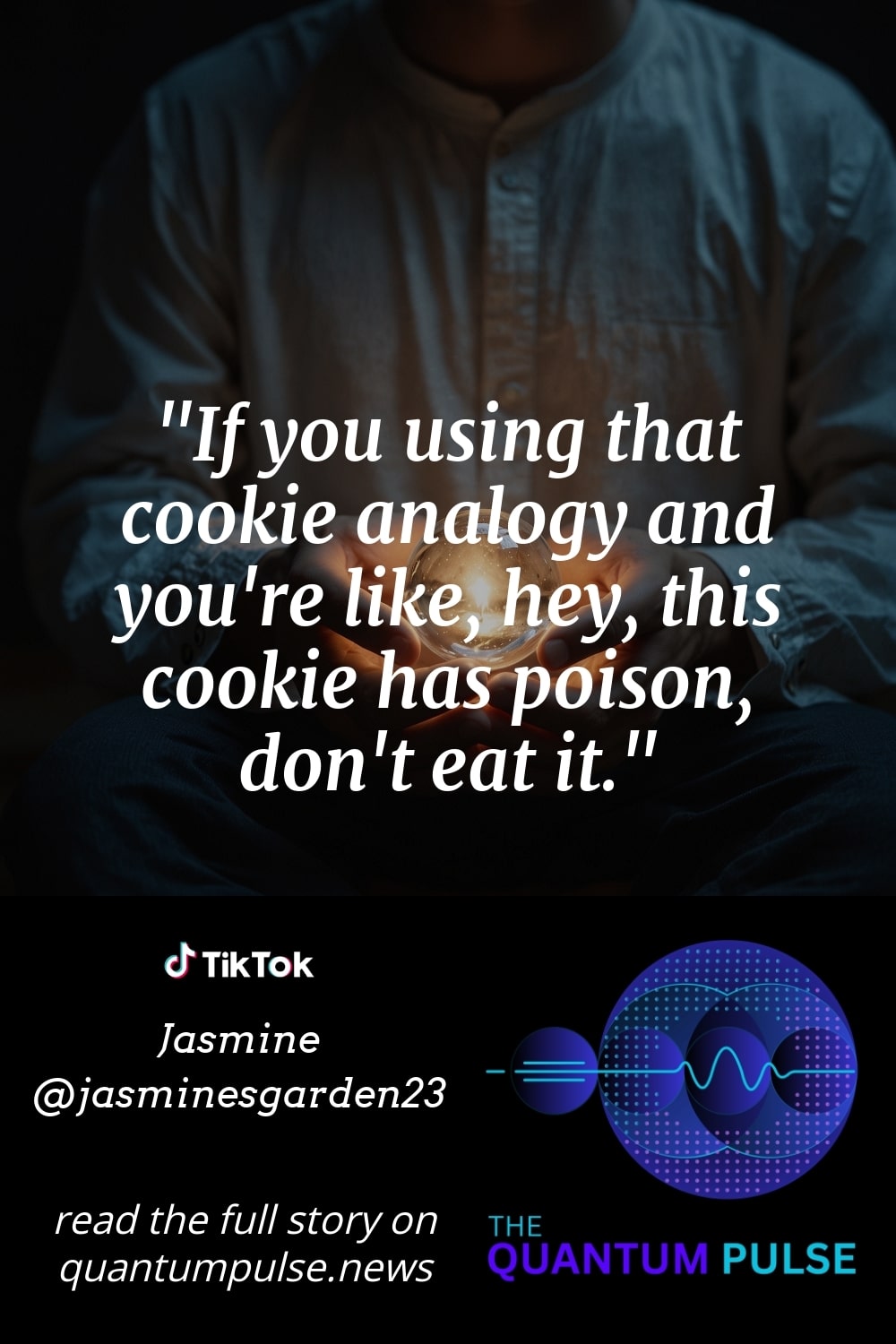
The conversation then shifts to the nature of the choices presented to us. Jasmine extends the cookie analogy to illustrate this point. If you are presented with a life-giving option and a poisonous one, and you are warned about the poison, is it still a free choice?
“That’s not really free will because you’re giving me a choice of something you know will kill me and something that you know will give me life. So it’s not really a choice. You’re trying to push me in a direction to where I will choose you. Which is not free will.”
From this perspective, a choice with such clear and pre-defined consequences feels more like guidance or persuasion than a truly independent decision. It prompts us to consider what defines “free will.” Does it require complete neutrality, or can it exist within a framework of guidance and consequence?
What Are Your Thoughts?
The perspective shared by Jasmine is a powerful invitation to explore our own beliefs. It encourages us to question, to think critically, and to define these immense concepts for ourselves. What does free will mean to you? Do you believe that perfect knowledge and free choice can exist at the same time? How do analogies like the perfect cookie help you navigate these big spiritual questions? The pulse of the collective is always questioning, and your perspective is a vital part of the conversation.