In our quest for vitality and mental clarity, many of us are turning to the experts to understand how our daily habits impact our long-term wellness. One viral video from neuroscientist Emily, known as @emonthebrain on TikTok, has captured the collective’s attention by sharing four simple things a neuroscientist avoids for brain health. With over 1.3 million views, this straightforward advice is clearly resonating with people looking for actionable ways to support their cognitive function. Let’s dive into the perspectives shared in this popular clip and explore the ideas presented.
Exploring Four Things a Neuroscientist Avoids for Brain Health
In the video, Emily outlines four key areas of focus, spanning diet, exercise, and environmental factors like light exposure. These suggestions offer a holistic view of brain care, suggesting that small, consistent choices can make a significant difference. The creator’s approach is not about restriction, but about mindful awareness of how certain activities influence our internal systems. So, what are these four habits to reconsider?
1. Spiking Glucose Levels
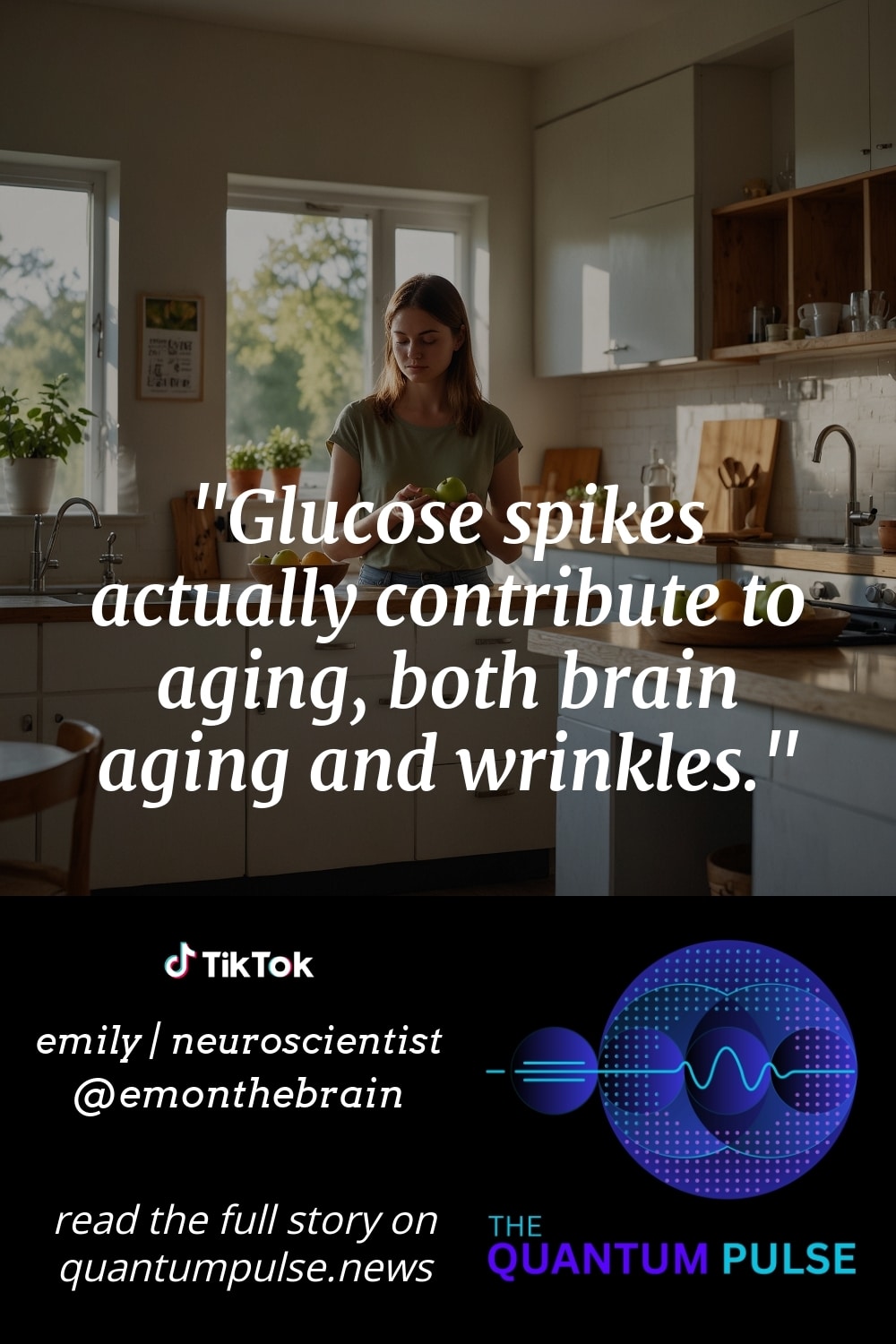
The first point shared by @emonthebrain centers on blood sugar regulation. The creator states, “I never eat carbs on an empty stomach. I always make sure to pair my carbs with a fat or a protein.” This practice, according to the video, is to avoid sudden increases in blood glucose. The reasoning provided is quite compelling.
“Glucose spikes actually contribute to aging, both brain aging and wrinkles.”
This perspective invites us to look at our meals differently. Instead of just considering the food itself, we might also consider the combination and timing of what we eat. Does this resonate with your own experiences with energy crashes or brain fog after certain meals? It’s a fascinating area to explore for personal well-being.
2. Living a Sedentary Lifestyle
Next up is a familiar but crucial topic, movement. The video highlights that avoiding a sedentary lifestyle is key. But the creator goes beyond the typical benefits of exercise, connecting it directly to the brain’s physical structure and chemical environment. According to Emily, movement is not just about physical fitness; it’s a powerful tool for cognitive enhancement and mood regulation.
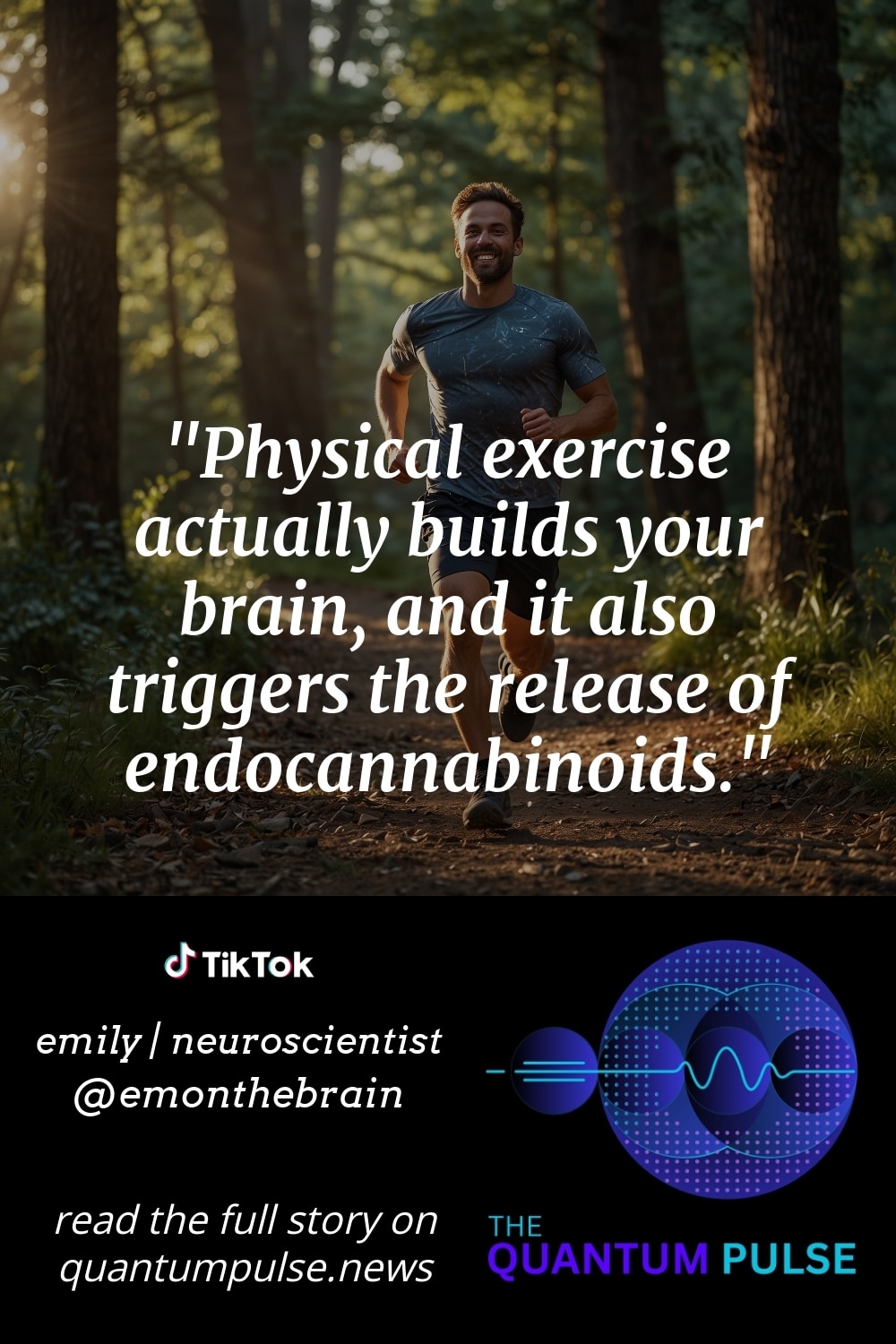
“Physical exercise actually builds your brain, and it also triggers the release of endocannabinoids. These are molecules that reduce pain and increase feelings of wellbeing.”
This idea frames exercise as a generative act for our minds. Have you ever noticed how a simple walk can clear your head or boost your mood? This insight might explain the science behind that feeling. It encourages us to find forms of movement we genuinely enjoy, making it a sustainable part of our lives.
Watch the original video by @emonthebrain below:
3. Being in Dark Rooms During the Day
The third point shifts our focus to our environment, specifically our exposure to light. @emonthebrain advises against spending the daytime in dark rooms, emphasizing the role of natural light in regulating our internal clocks. As the creator explains, “Bright light during the day is super important to regulate our circadian rhythm, and also it increases our mood and alertness.” This simple environmental tweak could have a profound impact on our daily energy and focus. How much natural light do you get in your typical day? Could you open a curtain or take a brief walk outside to see how it affects you?
4. Exposure to Bright Light at Night
Finally, the video presents the other side of the light equation, avoiding bright light at night. This is a direct continuation of the previous point, highlighting the importance of light cycles for our circadian rhythm. The creator points out that nighttime light exposure can disrupt crucial hormonal processes related to rest.
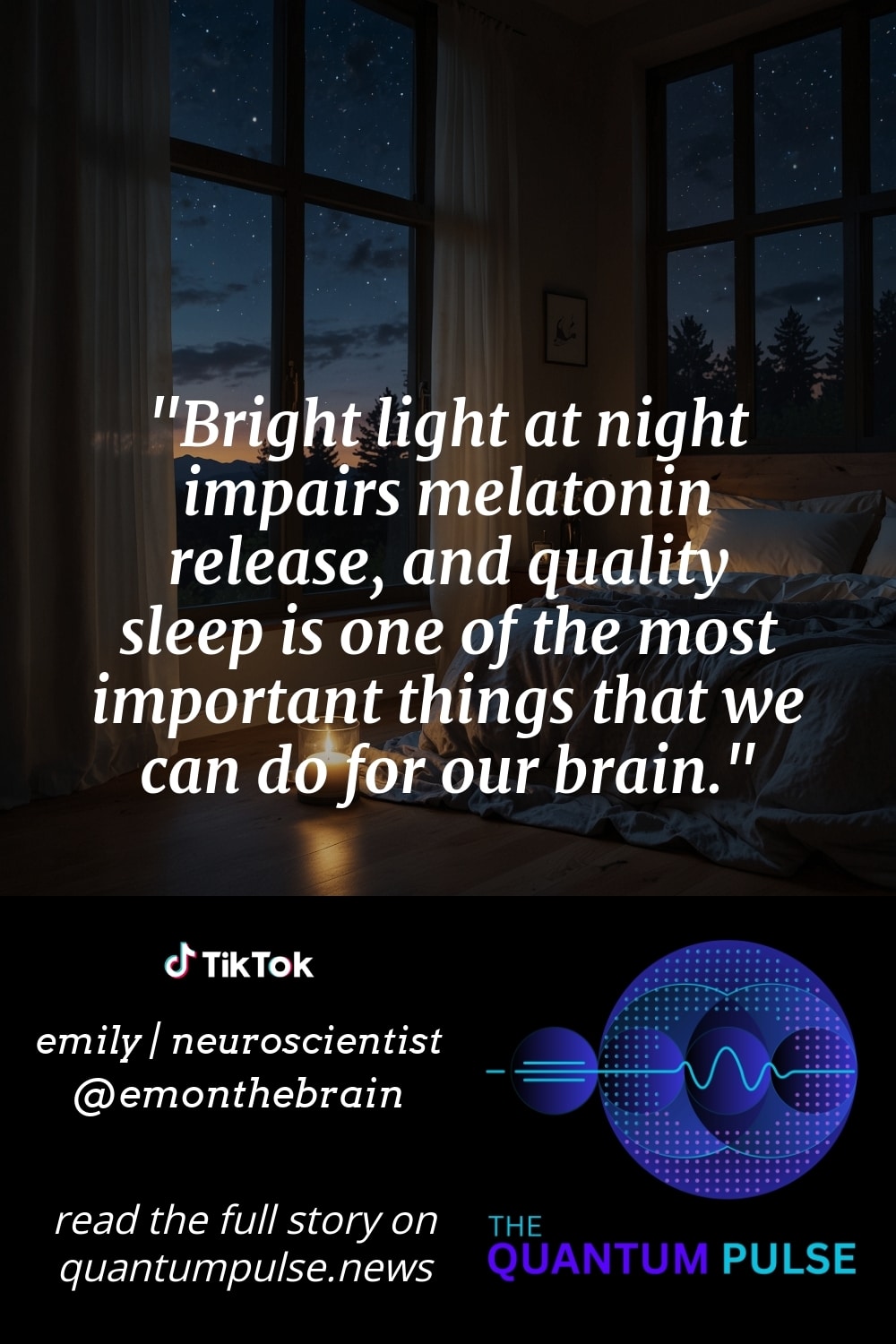
“Bright light at night impairs melatonin release, and quality sleep is one of the most important things that we can do for our brain.”
In our modern world filled with screens, this might be the most challenging habit to change. This perspective encourages us to be more mindful of our digital habits and create a calming, dimly lit environment as we wind down for the night. What are your thoughts on this? Is a “digital sunset” something you’d be willing to try?
Your Brain, Your Choices
The insights shared by @emonthebrain provide a fantastic starting point for self-inquiry. As with all information, it’s essential to approach it with curiosity and an open mind. These are the perspectives of one creator, based on their field of expertise. We encourage you to question everything, listen to the unique feedback of your own body, and decide what practices best support your individual journey to wellness. What single idea from this video sparks the most curiosity for you to explore?